Group Project 01: Think:Build:Do
Project Objective
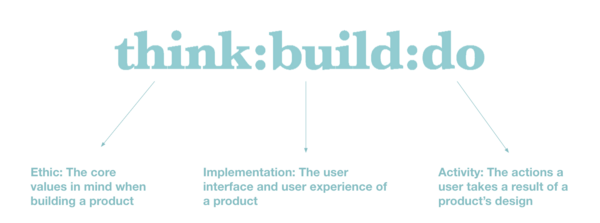
The project for the Philosophy of Technology unit is a Zine that will illustrate how you applied the Think → Build → Do framework from the book Virtue in Virtual Spaces to a digital technology that your group is interested in. A zine is a DIY magazine that is brief on words and big on visual creativity. This format is popular with various subcultures, including those found online, to make a bold statement about a chosen topic. The content of the zine should summarize your dialogues for the prompts released over the three weeks of the unit, and highlight the most important, interesting, or contrarian ideas that surfaced. Like the podcast from the last unit, this should be a fun and creative way for your group to express how you critiqued an existing technology by identifying its key set of implemented features and examining which activities and ways of thinking tied to a chosen ethic are encouraged or discouraged by those features.
The Zine is due 2/26 at 5pm.
Dialogue Guidelines
Review the Dialogue Trainee Manual for information on how your dialogue sessions should be conducted.
Appoint one of your group members as the Facilitator. The facilitator's role will be to lead each discussion, and to keep the group organized. This means maintaining the focus of the group, helping to move the conversation towards the end goal of the creation of the zine, and scheduling meetings and making sure everyone attends. Only one person should serve as the facilitator for the entire unit. The facilitator for this project should be different from your facilitator for the last unit.
Meet with your group each week for at least one hour to hold a discussion on the assigned prompt. Prompts will be released at the beginning of each week. See the Tuesday lecture information in the Course Calendar for the prompt and any additional instructions for that week's dialogue session.
Each group member should be given an equal voice in the dialogues, and have equal input in the creation of the zine.
Keep the discussions friendly and avoid arguments (this isn't Twitter!), but don't shy away from ideas that might be considered controversial.
Documenting Your Discussion on the Weekly Prompts
Appoint one of your group members as the Scribe. Only one person should serve as the scribe for the entire unit. The scribe for this project should be different from your scribe for the last unit.
The scribe's role will be to keep notes for each session. The ideas the group wants to highlight in the zine should be recorded, along with any context you want to provide for why those ideas are important (Did an idea trigger a long dialogue? Were there diverging opinions on it when it was raised? Was it an idea that was new to the entire group?). You don't need to turn in the notes, but they should be reflected in the final production of the zine.
Zine Production
Make an eight page zine that summarizes your dialogues for the two prompts given this unit (the form factor of the paper is up to you). Your project deliverable will be analog: create your zine using paper, pencils, pens, markers, stickers, mixed media (no printing from a computer allowed; found media like clippings from magazines/newspapers are OK though). This process will help you reflect more deeply on the content as you put the zine together (trust us). It will also be a lot of fun. Consider the style of your zine as well — a coherent theme running through the pages will be more effective than a completely random jumble of visuals. See the example zines Prof. Scheirer has been bringing to class for inspiration.
This project emphasizes the Think → Build → Do framework from the book Virtue in Virtual Spaces. You should refer back to pages 15-20 for a reminder of how to apply this framework to analyze technology. Through the dialogue questions, you will first select a technology and identify its key features, reflecting the implementation. You will then choose a set of specific themes from virtue ethics (they can come from the provided themes of Catholic Social Teaching) as your ethic. Finally, you will examine which activities and ways of thinking tied to a chosen ethic are encouraged or discouraged by those features. Feel free to make concluding comments about the sufficiency or insufficiency of the chosen technology in upholding the chosen ethic.
Important: Please run your chosen virtue ethics themes by Louisa before the project deadline so she can verify that they are valid for this framework.
When you turn in your zine, make sure to note on the cover who was the facilitator and who was the scribe.
The Scribe will hand deliver the zine to Louisa before the deadline. Please schedule a rendezvous point and time with her.
Expectations of Group Effort
All members of the group should contribute their fair share to the dialogues and the zine. The Facilitator and Scribe are expected to put in some extra work. These roles will rotate in each unit, meaning everyone in your group will serve as either the facilitator or scribe, thus the work will balance out over the course of the semester.
A form will be circulated to each group member after the assignment is turned in so that they can assign what they thought was the effort each person put into the dialogues and zine. These effort reports will be factored into the individual grades that will be assigned to the students in the group.
Prof. Scheirer will be grading the zines, and is very interested in what you have to say. Most of you will become designers and implementers of software, hardware, and associated end-user products following graduation, and your ideas may shape the next generation of technologies. This project will help you think about what could be better about existing technologies.